

Why integrate combination treatments into your practice?

Combination treatments make it possible to go beyond an approach focused solely on injections. By combining analysis of the different layers of the face, skin quality, prevention and long-term strategy, the aesthetic physician can offer more natural, harmonious and lasting results, tailored to the needs of each patient.
The Mephisto Effect and how to avoid it
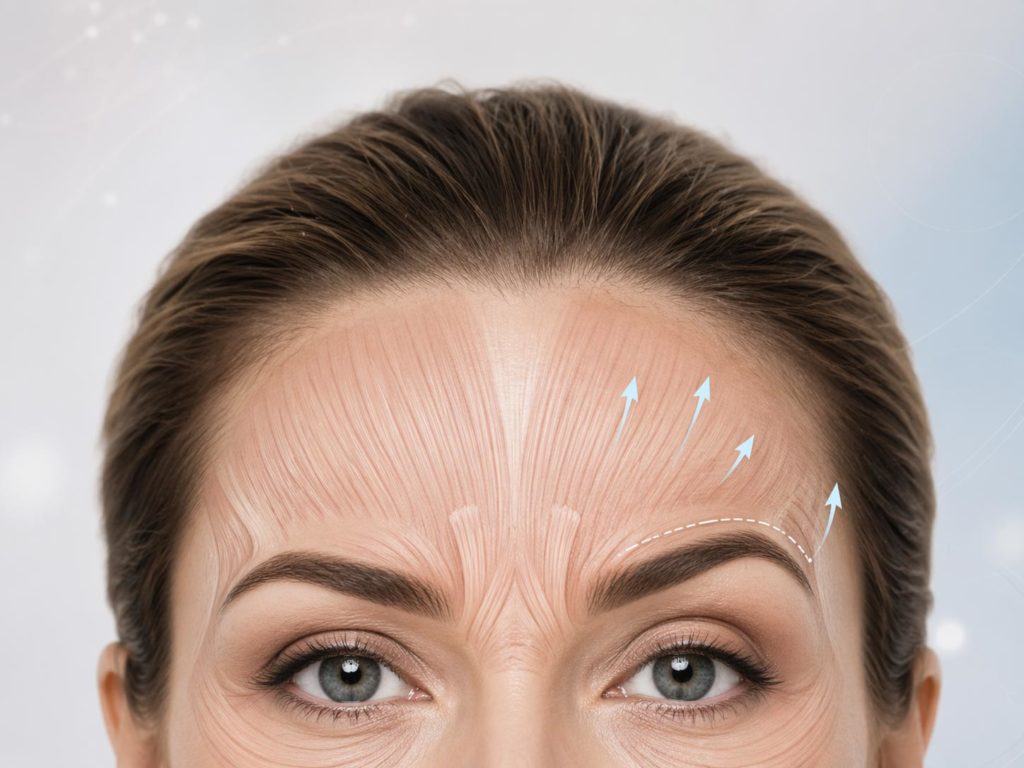
The Mephisto effect is an unwanted eyebrow elevation that can occur after botulinum toxin injections in the upper third of the face. This article explains the anatomy behind this complication, why it happens, and how aesthetic physicians can prevent and correct it through precise assessment, dosage and injection technique.
Developing your business in aesthetic medicine: 3 key steps to get off to a good start

Getting started in aesthetic medicine involves much more than mastering technical gestures. Communication, organizing consultations and building patient loyalty are three essential levers for building a sustainable business. This article proposes a simple, practical approach to help new practitioners structure their launch.
Training in aesthetic medicine
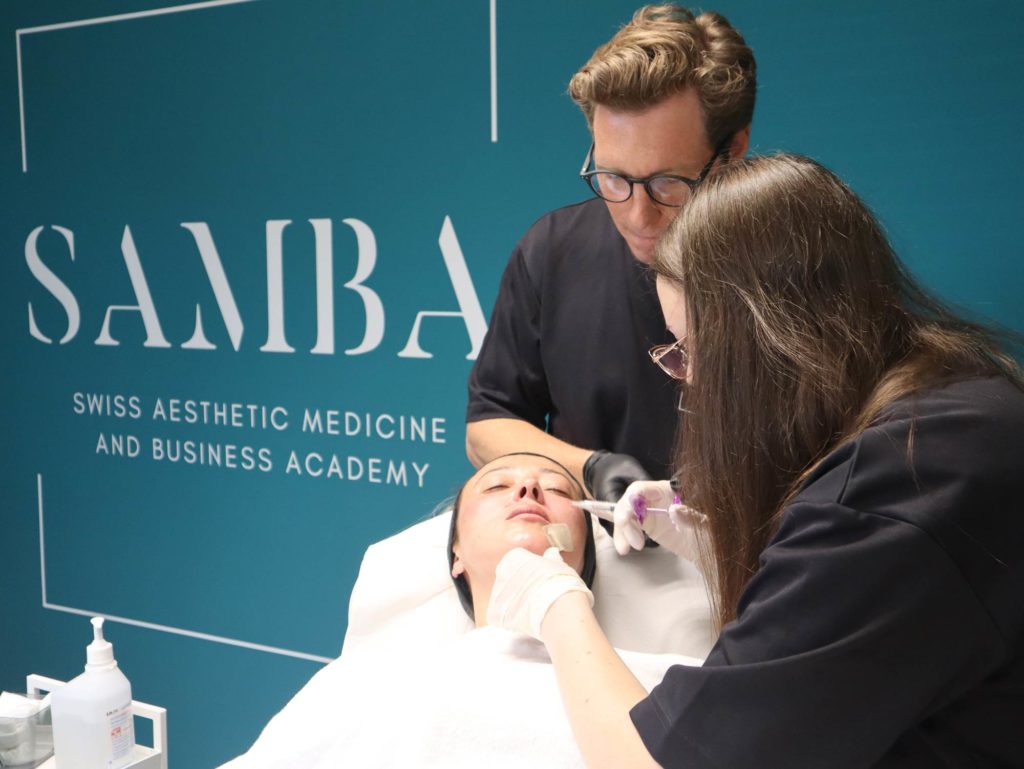
More and more doctors are looking to train in aesthetic medicine, but not all training courses are created equal. Between legal framework, educational quality, hands-on practice and care safety, this article explains how to choose a serious training program, and why only a progressive, supervised and evidence-based approach will enable you to integrate aesthetic medicine into your practice over the long term.
Puffy Face / Pillow Face: go to bed, we’ve found the solution

The “puffy face” or “pillow face” phenomenon is often the result of an accumulation of fillers, a poor injection plan or a poorly chosen product. In this article, I decipher the causes of these overcorrected faces and explain how Liquid Deep Plane Face Lift, combined with a rigorous selection of hyaluronic acid, helps preserve a natural, expressive result.
66 Minutes at SAMBA: the case of the “Gummy Smile” or why precision is everything
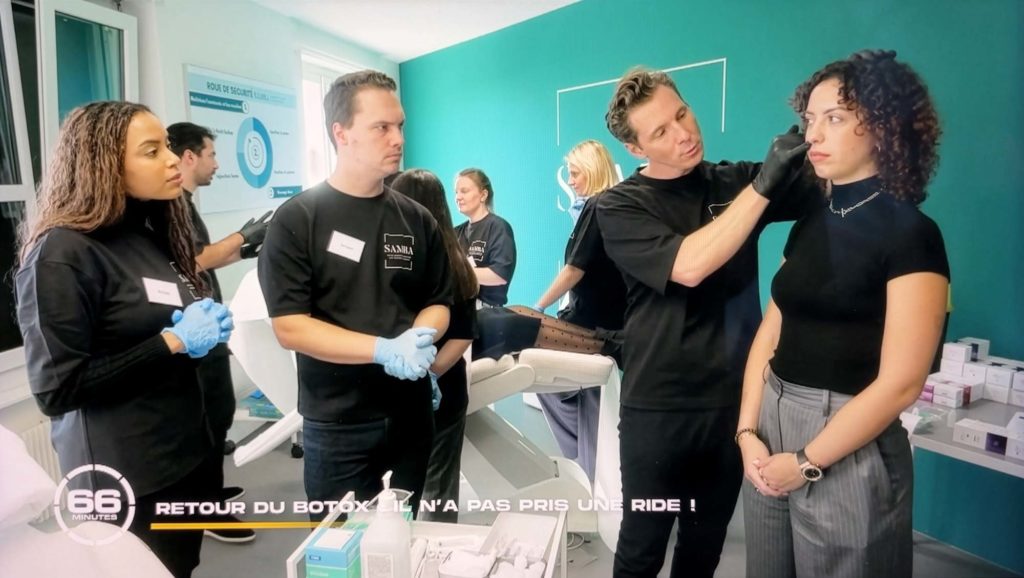
66 Minutes” followed a day of training at SAMBA, focusing on a case of “Gummy Smile”. Through Marion’s journey and the work of the hands-on doctors, this report shows how mastery of anatomy, precision of injection point and quality of training make all the difference in aesthetic medicine.
Biostimulation by subcutaneous injections: calcium hydroxyapatite

Injectable biostimulants such as calcium hydroxyapatite (CaHA) are becoming increasingly important in aesthetic medicine. By stimulating collagen production, they offer longer-lasting, more natural results when integrated into combined protocols. This article explains how CaHA works, how it is injected, how it is diluted, the main indications and the precautions required for safe use.
Laser hair removal: principles, efficacy and medical protocols

Laser hair removal is based on selective photo-thermolysis: a technology that permanently destroys the hair bulb by targeting melanin. Find out how this treatment works, the different types of lasers used according to phototype, good practices before and after the session, and why medical expertise is essential for safe, long-lasting results.
The different types of lasers used in aesthetic medicine
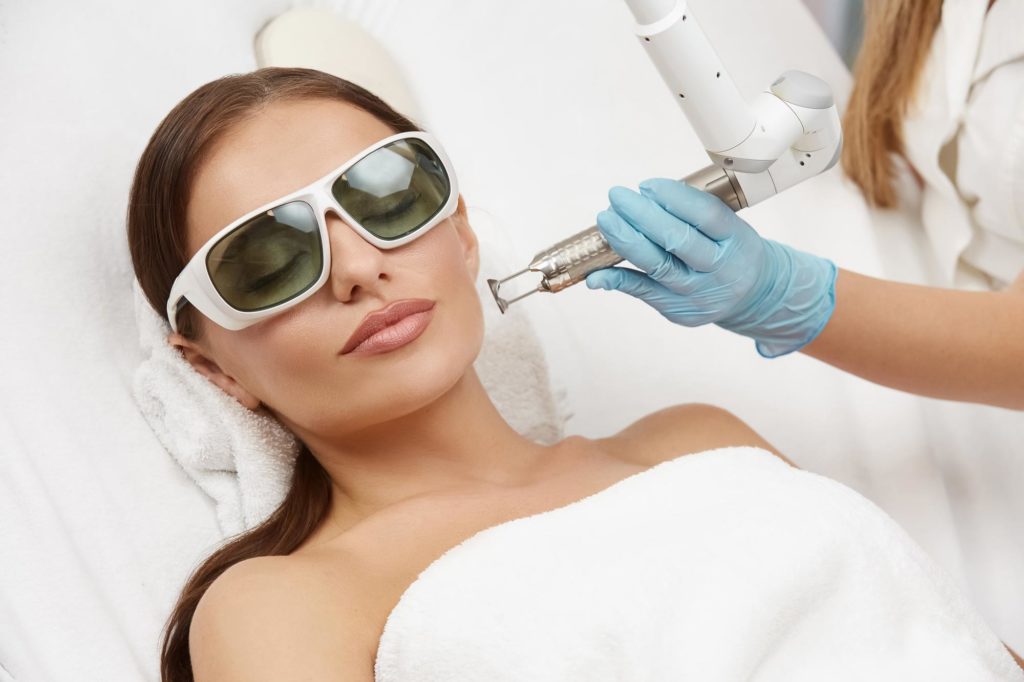
Lasers play an essential role in aesthetic medicine. Their operation is based on precise physical principles enabling them to selectively target melanin, hemoglobin or water, depending on the wavelength used. Find out more about the different types of lasers, their indications and the basics required for safe, effective treatment.
All you need to know about Platelet Rich Plasma
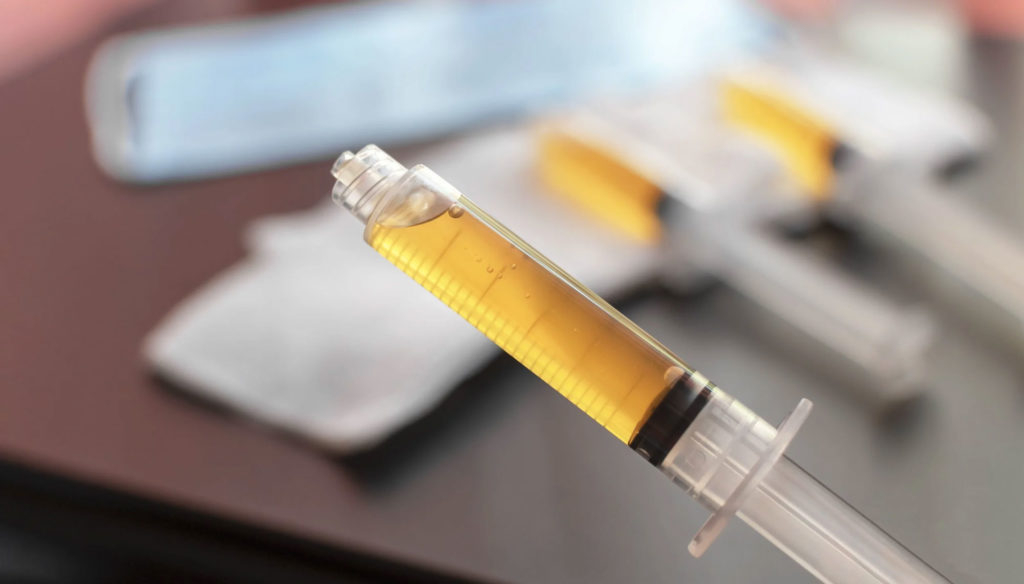
Platelet Rich Plasma, or PRP: three words behind a technique that has found its place in traumatology, rheumatology and above all aesthetics. Derived from your blood, this platelet concentrate naturally stimulates skin regeneration, luminosity and ageing prevention.