



Needles or Cannulas in Aesthetic Medicine: What Are the Differences?
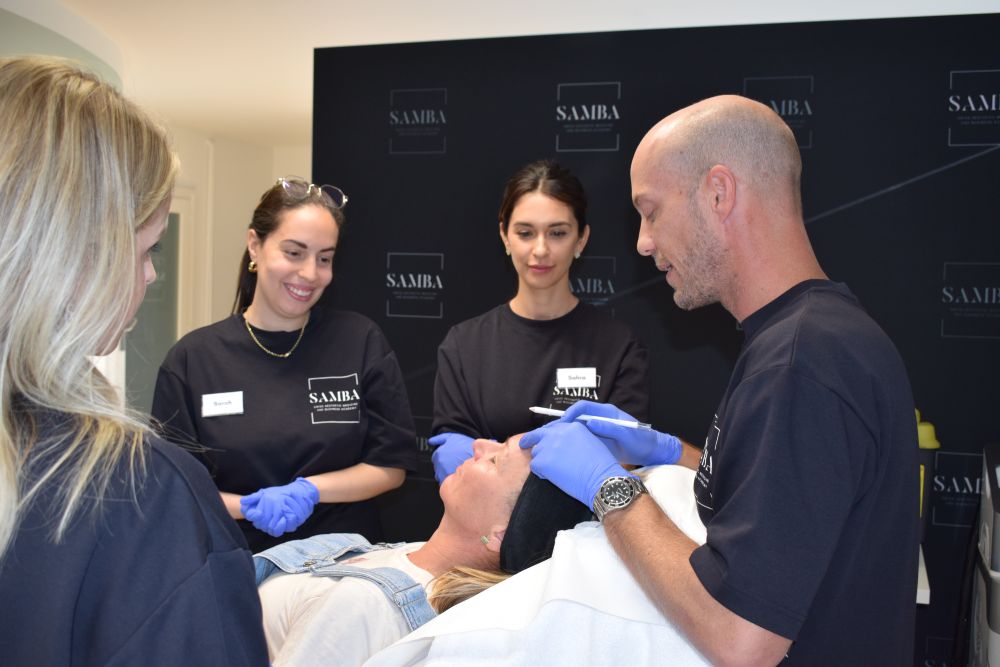
Needle or cannula: these two instruments play complementary roles in aesthetic medicine. The needle allows for precise placement, while the cannula can facilitate the distribution of the product over a larger area using fewer entry points. Learn about their advantages, their limitations, and the criteria that guide a practitioner’s choice based on anatomy, the indication, and the technique used.
Treatment of Burns Caused by Laser Hair Removal Devices

Learn the fundamentals of laser hair removal and the key parameters you need to master in order to tailor each treatment to the patient’s skin type, hair color, thickness, and density. Wavelengths, fluence, spot size, and pulse duration: this article helps you better understand the settings, get started the right way, and know how to respond in the event of a burn.
Radiofrequency or Ultrasound: How to Choose the Right Technology for Each Patient?

Radiofrequency or micro-focused ultrasound: How do you choose between Thermage® FLX and Ultherapy PRIME®? Skin firmness or loss of facial contour definition, targeted depth, combined treatments… Learn how to assess each patient to select the most appropriate technology, rather than simply using it.
Polynucleotides in Aesthetic Medicine: Benefits, Uses and What to Expect

Polynucleotides are increasingly used in aesthetic medicine to support skin hydration, collagen stimulation and tissue repair. Discover their main applications, how they differ from hyaluronic acid, what to expect after treatment, possible side effects and what current studies suggest.
Absorbable Tension Threads in Aesthetic Medicine

Absorbable thread lifts can be used to treat certain mild to moderate cases of facial sagging without surgery. Learn about their indications, the different types of threads, the principles of insertion, possible side effects, and the limitations of this technique in aesthetic medicine.
How Much Does an Aesthetic Physician? Income, Expenses, and the Reality of the Profession

How much does a cosmetic doctor earn? Between procedure fees, practice expenses, and patient acquisition, income varies depending on the practice model and level of training. This article breaks down the economic realities of a well-structured, sustainable, and safe cosmetic practice.
Medical Rhinoplasty: Indications, Techniques, and Precautions in Aesthetic Medicine

Medical rhinoplasty uses hyaluronic acid to correct certain imperfections of the nose without surgery. Indications, product selection, injection techniques, and precautions: this article covers the essential points you need to know to perform this procedure with precision, safety, and sound judgment.
Hyaluronic Acid in Aesthetic Medicine: How to Choose the Right Product Based on the Injection Plan?

Choosing the right hyaluronic acid isn’t just a matter of the brand or the treatment area. In aesthetic medicine, the injection plan, the G’ value, the product’s rheology, and an understanding of the five layers of the face make it possible to develop treatments that are more logical, safer, and more reproducible.
Mesotherapy or microneedling: What are the differences, and which technique should you choose?
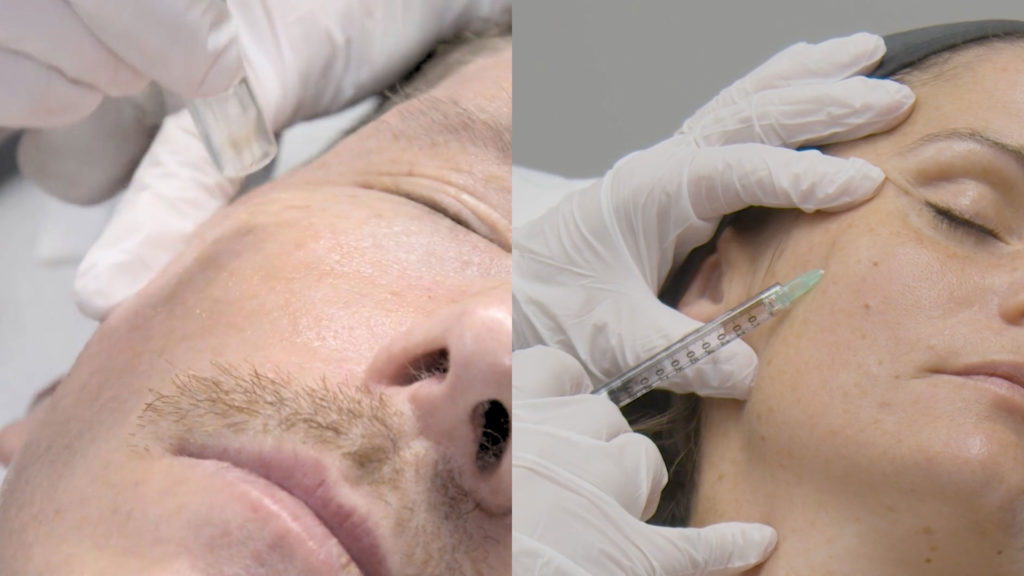
Mesotherapy or microneedling: These two skin-stimulation treatments improve skin quality but are based on different mechanisms. This article explains their indications, how they complement each other, and the importance of an accurate diagnosis for incorporating them into a comprehensive aesthetic medicine strategy.
The Tyndall Effect in Aesthetic Medicine: Causes, Prevention and Treatment

The Tyndall effect is a bluish-grey discoloration that can appear when hyaluronic acid filler is placed too superficially, especially in areas with thin skin such as the under-eye region. This article explains why it occurs, how to prevent it through proper filler choice and injection technique, and how to correct it when needed.
