By the end of the month, an implementing decree aimed at drastically regulating the practice of cosmetic medicine in France is expected to be published. It would apply to practitioners already in practice, regardless of their level of experience, as well as to newly graduated doctors across all specialties.
This decree aims to redirect doctors back to practicing their original specialty in order to address medical deserts and the decline in healthcare access.
Even though this decree may seem scandalous in many respects—especially given that medical deserts are the result of mismanagement of the numerus clausus in the 1980s and 1990s, at a time when the age distribution was well known— it is nonetheless a reality.
As is often the case, poor political decisions and strategies have harmful consequences, but it falls to citizens to make amends.
Once this reality is accepted, it is better to take action and understand the implications of this decree.
What the decree provides for
Specifically, doctors who practice exclusively in aesthetic medicine should gradually reduce their aesthetic medicine practice to 50 percent and devote the remaining 50 percent to their original specialty: general practice, dermatology, emergency medicine, gynecology, pediatrics, or surgery.
Plastic surgeons will also be affected.
Doctors will have three years to comply and, during that time, will be required to take refresher exams in their original specialty.
As for newly licensed physicians, they will not be able to practice aesthetic medicine until they have practiced for five years in their original specialty. They will then be able to devote up to 30 percent of their time to aesthetic medicine.
A Controversial Reform
Even though it is controversial, this decree is expected to be published. It will be challenged and could be repealed, overturned, or revised.
In fact, doctors who practice exclusively in aesthetic medicine have employees, technical facilities, and outstanding loans that they will no longer be able to repay.
For those who have always practiced aesthetic medicine, their level of expertise in their original specialty is no longer up to date.
Beyond that, the freedom to work and engage in a legal profession is being called into question.
Toward a Mixed-Use Development
It can be noted, however, that the trend in the future will be toward a hybrid practice, combining the practitioner’s original specialty with aesthetic medicine.
The first consequence, in my view, is that aesthetic medicine will be spread among more practitioners, with each devoting about 30 percent of their time to it.
The risk, of course, is that patients will turn to illegal aesthetic medicine providers—the so-called “fake injectors ”—who are rarely called out and never prosecuted.
Training and Recognition of Skills
In the future, aesthetic medicine will therefore be regulated. This is a positive development for doctors, who will have a clear and well-defined framework for their practice, even if this change will be difficult for some to accept. It is therefore crucial that all doctors who wish to practice aesthetic medicine receive proper training.
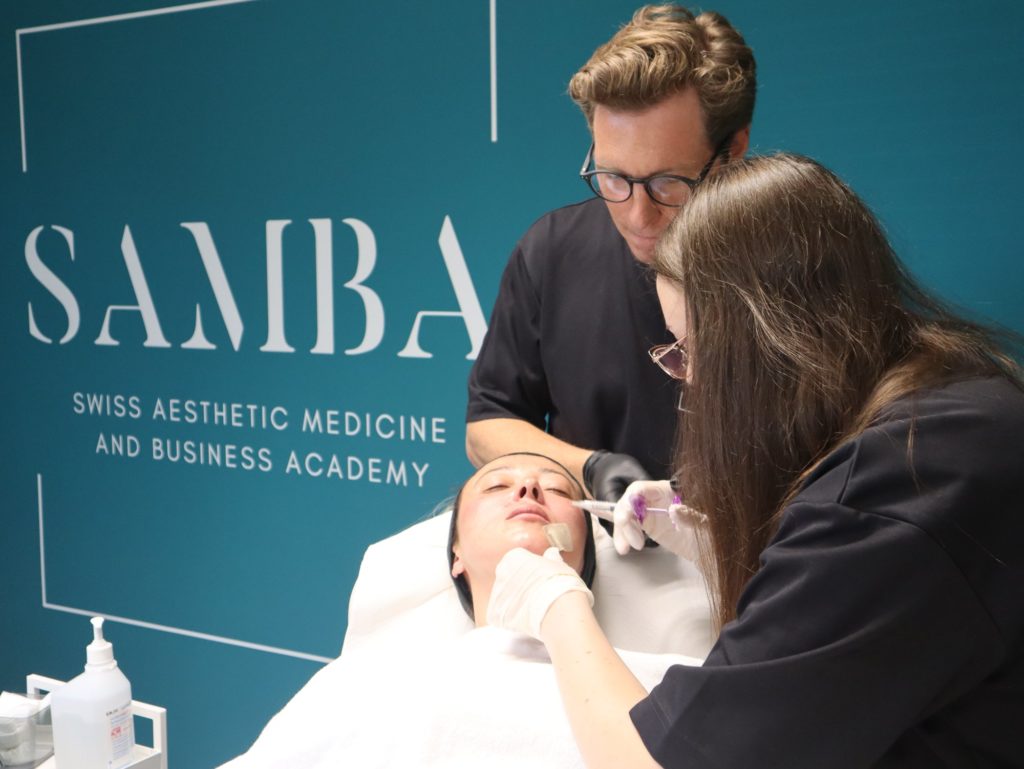
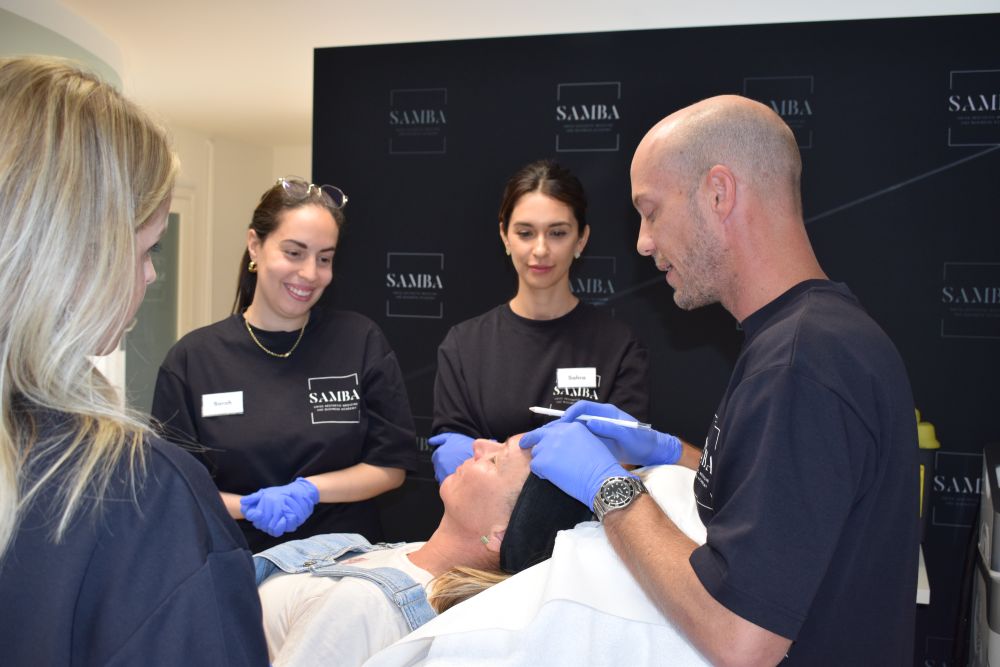
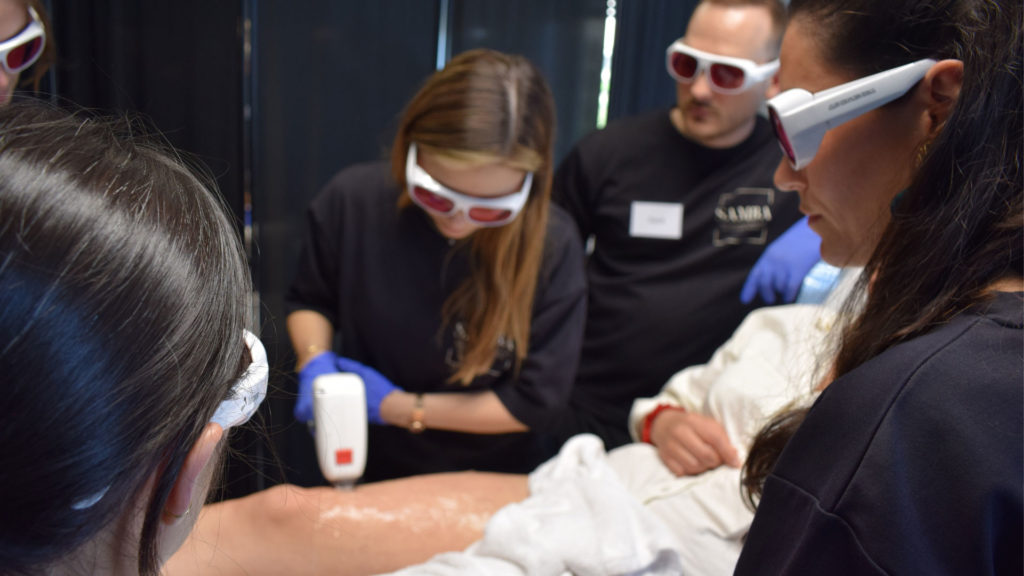
Furthermore, the recognition of prior learning (RPL) appears to be a crucial factor for those who wish to have their work in aesthetic medicine recognized in the future. In this context, a certified training program offering SAMBA CME credits will be a major asset.
The training program I lead will also enable physicians to develop their skills as part of their 30% practice, so they can provide high-quality, high-value-added medical aesthetic care. This will help maximize the return on the time spent on aesthetic procedures.
Advancing Aesthetic Medicine
Since our inception, we have been advocating for aesthetic medicine grounded in evidence and consensus, as well as in knowledge shared by all practitioners. The goal is to advance the specialty toward greater expertise and safety, and thus toward greater visibility among the general public. In this era of change and abuse of power, it is essential to strengthen the specialty. To do so, we need a common language—one that we teach you at SAMBA.
Even though this decree seems extremely aggressive and unfair, and even if it were to be challenged through legal appeals, it reflects a broader trend in Europe: the regulation of aesthetic medicine by national governments.
It is time to make aesthetic medicine a true specialty. This is SAMBA’s mission within the framework of continuing medical education.
It is essential to undergo training and have one’s competence in aesthetic medicine recognized.