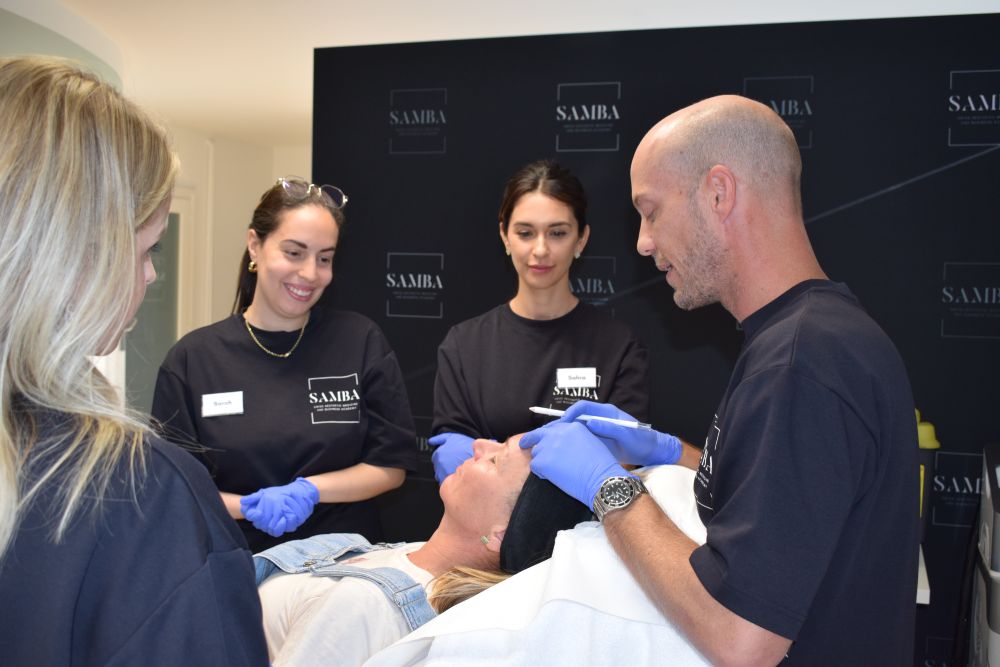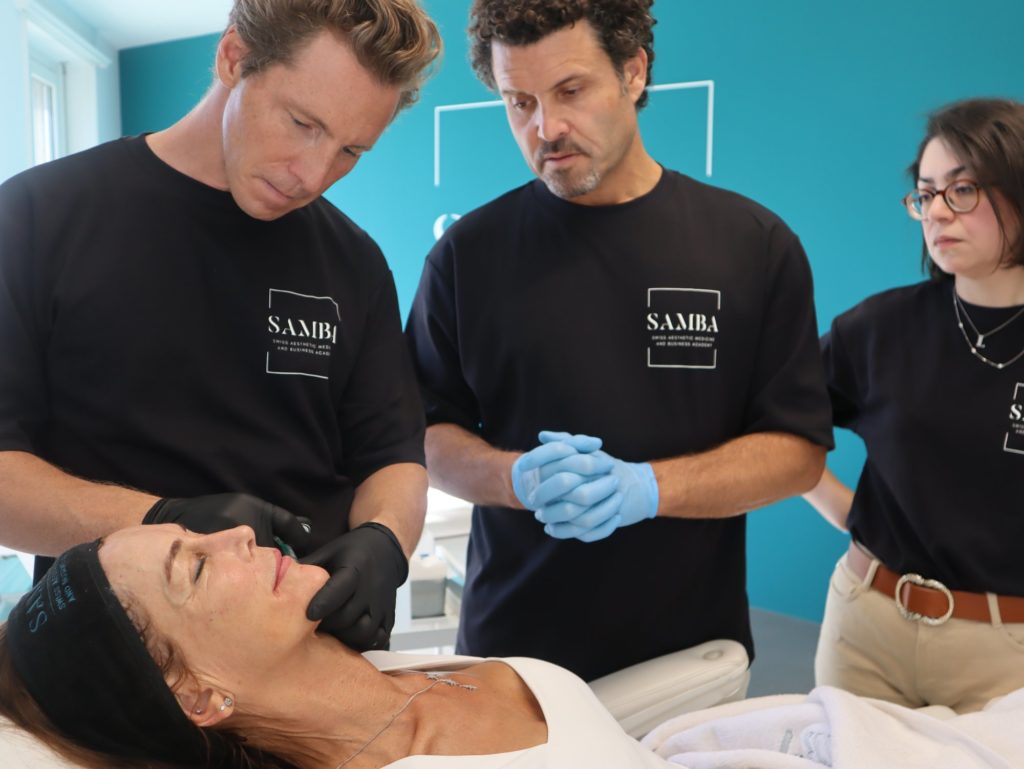


In aesthetic medicine, mesotherapy and microneedling are among the most sought-after treatments for improving skin quality and preventing the signs of skin aging. Although these two techniques share common goals, their mechanisms of action and indications differ slightly.
Understanding the specific characteristics of these two techniques is essential to determining the best option for each patient.
Two Approaches to Improving Skin Quality
Mesotherapy and microneedling are both designed to regenerate the skin, improve its radiance, and stimulate skin renewal. They help prevent skin aging and improve certain skin conditions.
For optimal results, a course of three sessions spaced about one month apart is generally recommended. These treatments can be performed year-round and are suitable for all skin types and people of all ages.
Mesotherapy: Revitalization Through the Application of Active Ingredients
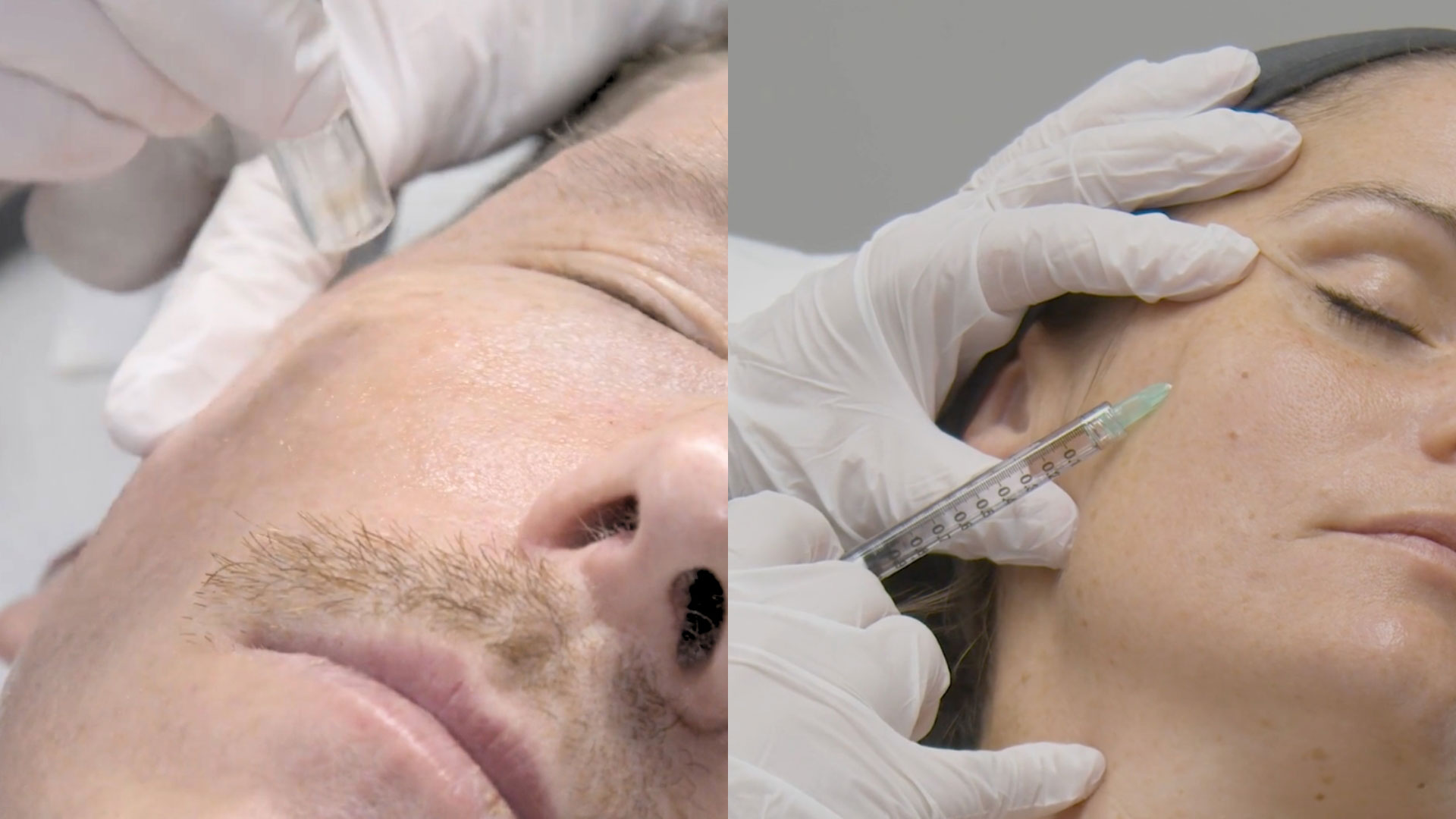
Mesotherapy involves administering multiple superficial microinjections to deliver substances such as non-cross-linked hyaluronic acid, vitamins, peptides, and antioxidants directly into the skin.
This technique is particularly recommended for:
- Dehydrated skin;
- Dull complexions;
- The first signs of aging;
- Preventing skin aging.
The goal is to improve skin hydration, radiance, and overall quality while providing a minimally invasive treatment with a quick recovery.
Microneedling: Stimulating Skin Regeneration
Microneedling involves the use of microneedles that create tiny punctures in the skin. These micro-injuries trigger a natural tissue repair response, promoting the production of collagen and elastin.
This technique is particularly useful for treating:
- Uneven skin texture;
- Enlarged pores;
- Superficial acne scars;
- Fine lines;
- Signs of photoaging of the skin.
The microchannels created by the needles can also help certain active ingredients applied during the treatment penetrate the skin.
Which technique should you choose?
The choice depends primarily on the medical indication and the patient’s expectations.
When the primary goal is to hydrate and revitalize the skin, mesotherapy is often the most effective solution. When the goal is to improve skin texture and stimulate collagen production, microneedling may be a better option.
Beyond simply choosing a single technique, these treatments must above all be integrated into a comprehensive skin care strategy tailored to the diagnosis, the patient’s goals, and any other treatments that may be recommended.
In practice, these techniques combine very well with all aesthetic medical procedures. They can be complementary and integrated into a comprehensive treatment plan aimed at optimizing skin quality.
In conclusion
Mesotherapy and microneedling are now essential techniques for improving skin quality. Easy to incorporate into a comprehensive treatment plan, they offer complementary results while adapting perfectly to patients’ lifestyles thanks to minimal—or even no—downtime.
An accurate diagnosis and the selection of the appropriate treatment protocol remain essential for providing a consistent, stepwise treatment plan tailored to each patient.