

In our profession, aesthetic medicine has been on the rise for several years. There are several reasons that explain this trend. But how much does an aesthetic physician actually earn? The answer depends on the practice model, the patient base, the procedures performed, operating costs, and, of course, the level of training.
Is aesthetic medicine open to all doctors?
First, aesthetic medicine is not a medical specialty. In fact, it is not included among the training options that medical students can choose during their residency or fellowship. However, it is considered a continuing education program open to any medical doctor. From a strictly legal standpoint, medical procedures performed for aesthetic purposes may be carried out by any physician. However, from an ethical and criminal law perspective, a physician must only perform procedures for which they have been trained.
Doctors who have grown tired of their original practice
Many doctors who visit us at SAMBA, or with whom we speak by phone, express a deep sense of weariness in their practice. Indeed, they do not feel valued and feel as though they are merely service providers. They feel this way not only toward their patients but also toward the authorities. These doctors share with us their distress at the ingratitude of patients and authorities, and at the devaluation they feel regarding their skills and level of responsibility.
The pressure exerted by the authorities on private practice—through the regulation of reimbursement rates and a lack of recognition—is leading practitioners to lose enthusiasm for their work. Add to this the general public’s perception that these doctors are privileged, even as their purchasing power continues to decline: all of this is leading some practitioners to want to scale back their traditional practice in favor of a complementary practice.
A positive and rewarding practice
Based on this observation, many doctors are turning to aesthetic medicine, which addresses one of the key health criteria described by the WHO: social well-being.
In aesthetic medicine, doctors rediscover the purpose of their work—caring for patients—a sense of fulfillment through the gratitude patients show them, and, finally, flexible pricing based on patient satisfaction and well-being.
The prospect of higher or additional income
In many countries, compensation for medical services does not keep pace with inflation, and some doctors in certain specialties find themselves demoted after more than ten years of study. Aesthetic medicine puts them back at the center of a positive dynamic, allowing them to generate income commensurate with their level of qualification and expertise, while giving value to their original medical degree. It is clear that aesthetic medicine procedures are more lucrative in absolute terms, even if the associated costs are also higher.
What are the fees for cosmetic medical procedures?
To give a concrete idea of the cost, let’s consider the price of a botulinum toxin injection in three areas: the glabella, crow’s feet, and forehead. Such a treatment is generally performed during a 15- to 30-minute appointment, depending on the practitioner’s experience and skill.
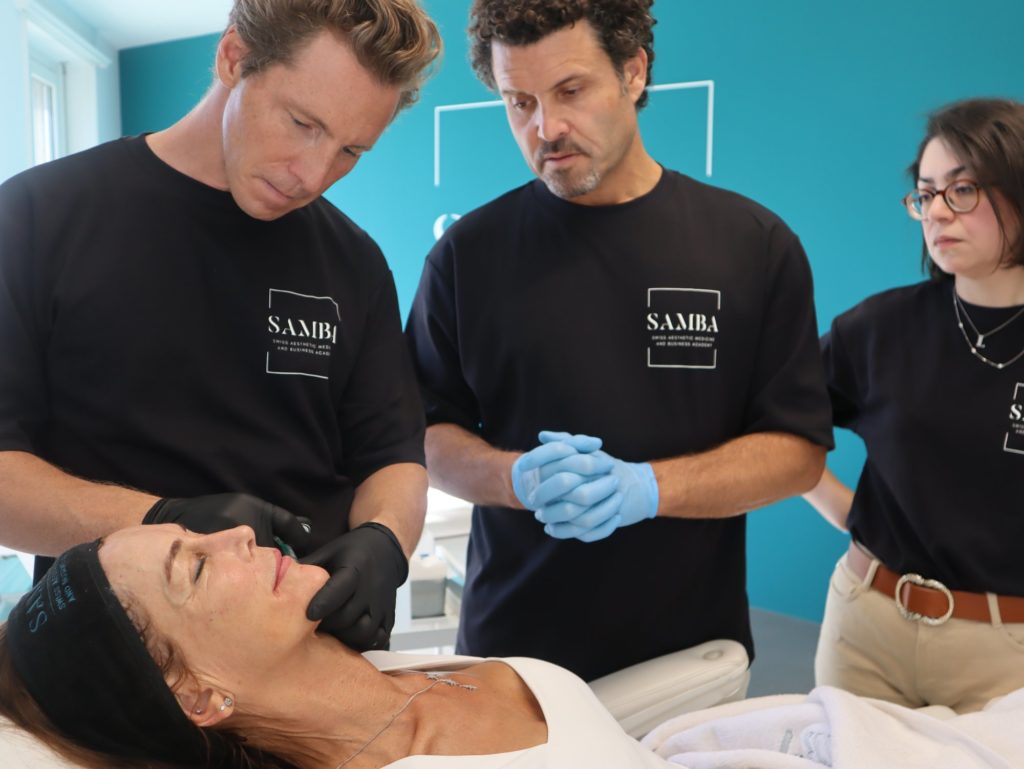
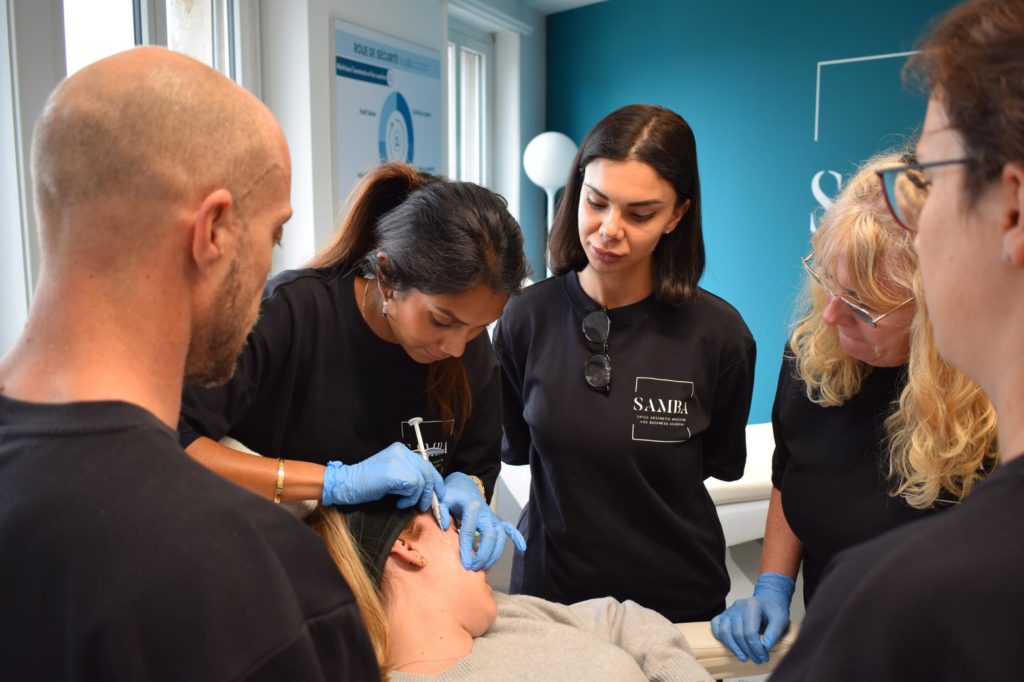
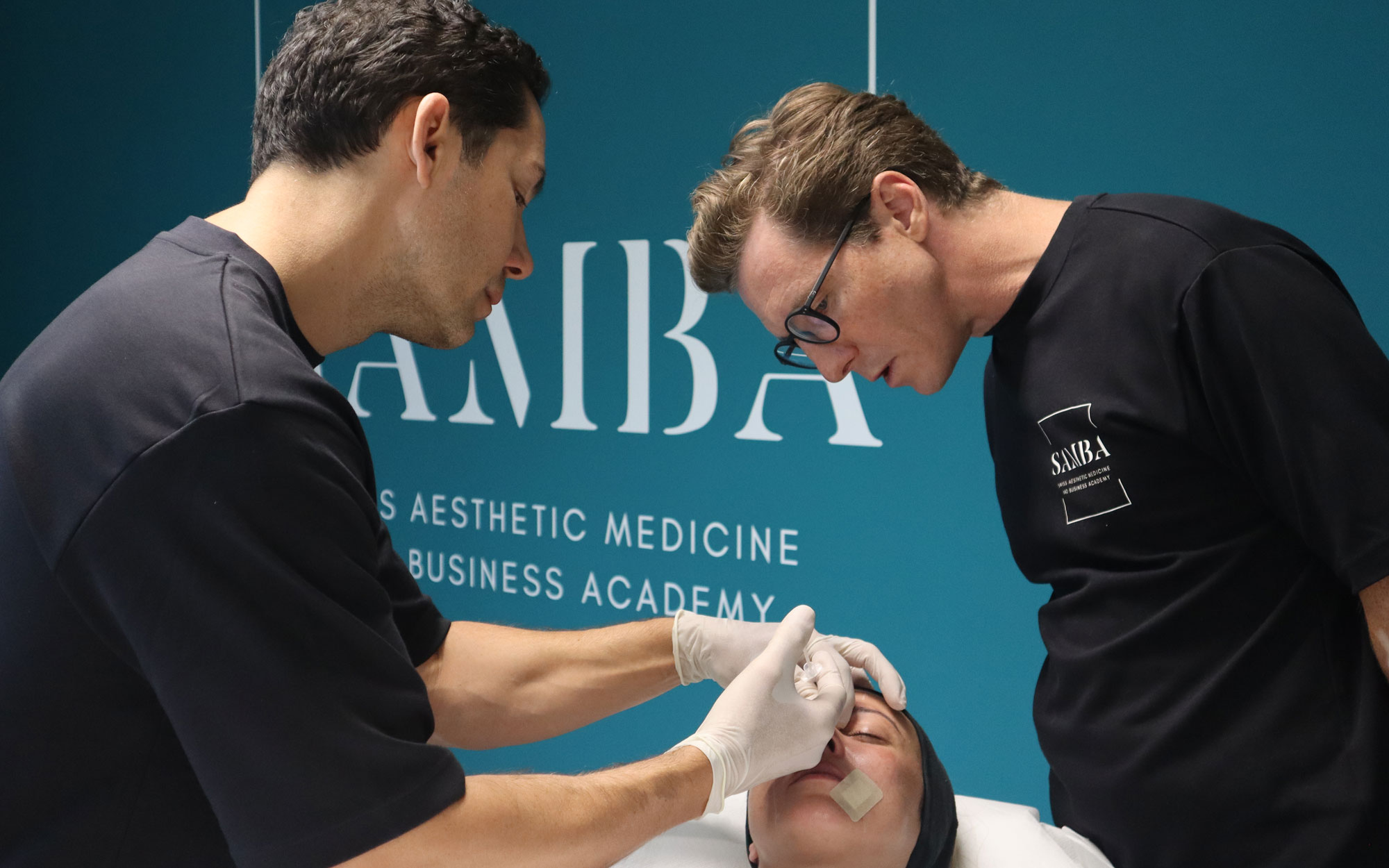
At SAMBA, after the theoretical phase and starting with the very first workshop, our doctors begin practicing this procedure under supervision in order to develop the proper technical and safety skills—and to subsequently perform it with a high degree of satisfaction.
For informational purposes, here are approximate price ranges as of the time of writing for treatment of three areas. These rates may vary significantly depending on the country, city, practitioner, product used, and the practice’s positioning:
- In France, the average price ranges from 300 to 600 €.
- In the United Kingdom, the average is 315 €.
- In Germany, the range is between €400 and €700.
- In Switzerland, the cost ranges from 500 to 900 €.
- In Belgium, the cost ranges from €300 to €450.
- In Spain, the range is between €280 and €400.
- In Italy, the three-zone flat rate ranges from 300 to 500 €.
- In Portugal, between 250 and 400 €.
- In Austria, between €350 and €550.
- In Ireland, between €300 and €450.
- In Sweden and Denmark, between 350 and 600 €.
- In Norway, between 450 and 700 €.
- In Poland, between €200 and €350.
- In Hungary, between €180 and €300.
- In the Czech Republic, between 250 and 350 €.
- In Romania and Bulgaria, between 150 and 300 €.
- In Greece, between €200 and €350.
- In Turkey, between 150 and 300 €.
Based on these orders of magnitude, the indicative European average is around €380 for three zones. This is neither an official rate nor a weighted average: there are still significant variations depending on the market.
Revenue, Expenses, and Net Income: Beware of Over-Simplification
From this amount, you must first subtract the price of the product—often around 100 euros. But the remaining balance is not your income: you still have to deduct the cost of small equipment, rent, insurance, any staff expenses, administrative costs, social security contributions, and taxes. Depending on how the practice is organized, the profit margin—and especially the net compensation—can therefore vary considerably.
One thing is certain: a cosmetic doctor who practices conscientiously, has received proper training, and provides treatments that bring pleasure and well-being to patients can gradually build a practice that is more lucrative than their original specialty.
Is it possible to earn more than €10,000 a month in cosmetic medicine?
I can already picture you calculating that if you give ten botulinum toxin injections a day, you’ll become a millionaire and live the good life. In reality, very few doctors can fill their entire day with cosmetic procedures. To do so, you first need to be well-trained, and then build up a patient base. As in any industry, levels of expertise, organization, and quality of care vary—and so do earnings.
That said, it is true that in aesthetic medicine, the ratio of time spent to revenue generated can be more favorable than in many other medical specialties.
And if you want to take it a step further, you can, of course, calculate how much a treatment will cost you if you add two or three syringes of hyaluronic acid…
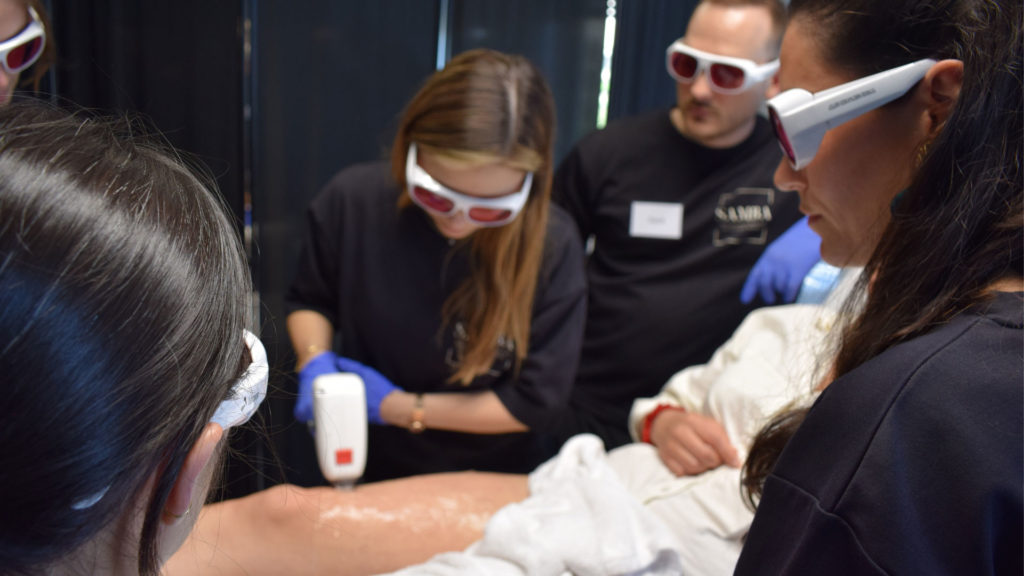
You can also offer certain delegated procedures—when local regulations permit and if you have qualified staff—such as laser hair removal, treatments using energy-based devices, or other similar procedures. You’ll then be running a full-fledged small business, and this can open up even more opportunities for you.
You can work as a partner, as part of a group, on your own, full-time, or part-time.
Depending on their practice model, patient base, volume of business, and ability to control expenses, a well-trained cosmetic physician can expect to earn more than 10,000 € in professional income per month. However, this figure is neither an average nor a guarantee: it requires time, a solid patient base, and high-quality care. Furthermore, a physician who undergoes appropriate training, performs treatments safely, and educates their patients about high-quality, long-lasting aesthetic medicine plays a direct role in combating the scourge of illegal injections, which endanger our fellow citizens.
Training: An Essential Prerequisite for Sustainable Business Operations
But all of this is only possible with a growing patient base—one that trusts you, refers patients to you, and recommends you to others. And that can only be built by having a solid foundation in aesthetic medicine. Empirical, “back-of-the-house” aesthetic medicine—based on the idea that just because you’re a doctor “it’s not that complicated”—is a thing of the past: patients aren’t fooled, the authorities aren’t fooled, and those who continue to practice it in this careless manner risk losing trust, face serious risks of complications, and will encounter increasing difficulties.
In short, it’s true that cosmetic medicine allows doctors to regain a certain degree of professional freedom and to find new meaning in their careers by revitalizing their private practice—but it’s important to approach it seriously.
From my perspective, aesthetic medicine is a tool for doctors’ professional fulfillment, allowing them to create some breathing room within their original practice. I believe that many doctors will find new momentum in their careers by incorporating some aesthetic medicine into their practice.
That said, there are many approaches to practicing cosmetic medicine, but only one is valid: practicing it with proper training.
So, learn, practice, and grow.
With SAMBA, you’re all set.